Category: Uncategorized

  • Is the Tineco Floor One S7 Pro Truly Worth It for Hard Floors?

    Is the Tineco Floor One S7 Pro Truly Worth It for Hard Floors?

    If you’ve ever been lured by the siren song of a gadget promising to revolutionize your cleaning routine, you’re in good company. I, too, have stood in the aisle of a store, clutching a shiny box that whispered sweet nothings about transforming my floors into pristine surfaces. Enter the Tineco Floor One S7 Pro, a device that, on paper, sounds like the answer to all our dusty prayers. But here’s the kicker—reality rarely matches the marketing fantasy. So, I shelled out what felt like a king’s ransom for this little beast, ready to put its ‘vacuum and mop combo’ claim to the test. Spoiler alert: My floors are still up for debate on whether it was worth the investment.

    Is the Tineco Floor One S7 Pro worth it for hard floors?

    Now, before you decide to march down the same path of consumer naivety, let’s break it down. I’ll cut through the glitzy promises and get to the meat of the matter. We’re diving into the nitty-gritty of its cleaning performance, dissecting whether this contraption really delivers ease of use or if it’s just another overpriced piece of clutter. You deserve the unvarnished truth, and that’s precisely what I’m here to deliver. So, buckle up—let’s find out if the Tineco Floor One S7 Pro is a blessing or a boondoggle for your hard floors.

    Table of Contents

    The Vacuum and Mop Duo I Never Knew I Needed
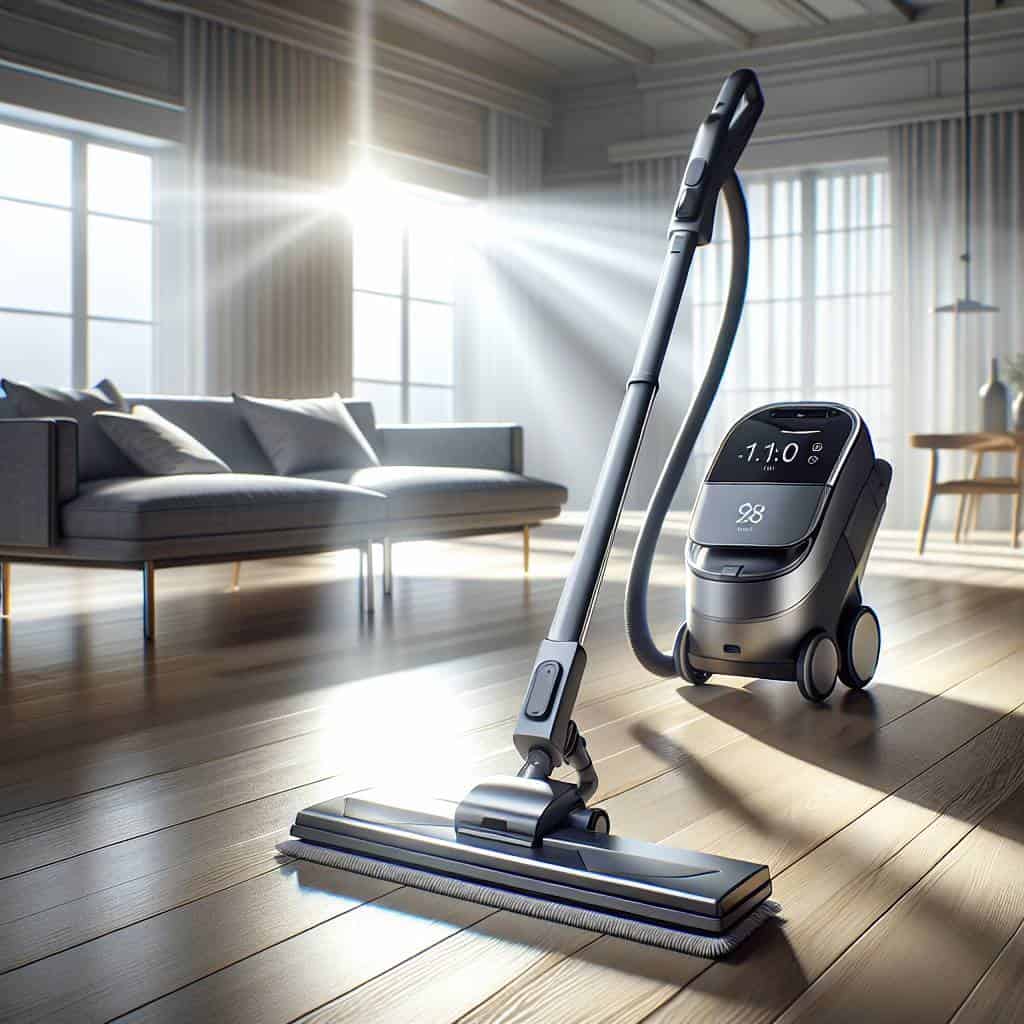
    The Vacuum and Mop Duo I Never Knew I Needed

    I used to think that a vacuum was just a vacuum and a mop was just a mop. Two separate entities, each doing their part in the Sisyphean task of keeping my floors presentable. But then came the Tineco Floor One S7 Pro, strutting into my life like it owned the place. And you know what? It kind of does. It’s a vacuum and mop duo that I never knew I needed, but now can’t imagine living without. This machine doesn’t just clean; it performs a choreographed dance across my hard floors, leaving them spotless and me slightly in awe.

    The magic lies in its ability to combine two household chores into one seamless experience. Now, before you roll your eyes and dismiss this as just another gimmicky gadget, let me lay it out for you. The Tineco Floor One S7 Pro doesn’t just vacuum up the debris with a half-hearted attempt at mopping—no, it actually knows what it’s doing. The transition from sucking up yesterday’s crumbs to scrubbing away today’s sticky mess is smooth and efficient. It’s like watching a seasoned chef slice through an onion with the precision of a surgeon. All this, while I sip my coffee and watch the magic unfold. Because let’s face it, in a world where time is a luxury, anything that steals back even a few moments is worth its weight in gold.

    But let’s get real. Is it perfect? Far from it. Sometimes it stumbles, like when it decides a corner is too much to handle. And there are moments when I wonder if it’s more interested in singing its own praises than actually getting the job done. Yet, in the grand scheme of things, the Tineco Floor One S7 Pro does what it promises: it makes my life a tad bit easier, and for that, I’m willing to forgive its occasional quirks. Because those extra minutes saved mean more time for the things that truly matter—and that’s a deal I’ll take any day.

    When Cleaning Becomes a Performance Art

    There’s something almost theatrical about the dance between the vacuum and mop in the Tineco Floor One S7 Pro. Watching it glide across the floor, you might find yourself entranced, as if you’re witnessing a carefully choreographed performance. It’s like a mechanical ballet, each movement deliberate and precise, transforming the mundane task of cleaning into an unexpected spectacle. And sure, I never thought I’d be the kind of person to sit back and watch a machine with popcorn in hand, but here we are.

    This isn’t just about efficiency—it’s art in motion. Something about the way it navigates the tightest spaces, the gentle sweep as it transitions from dust to shine, makes you wonder if cleaning might have a hidden beauty to it after all. But of course, the real magic lies in its ability to turn a once monotonous chore into something almost enjoyable to witness. It’s like finding poetry in the everyday grind, and maybe, just maybe, that’s the real genius behind this vacuum and mop duo.

    The Surprising Ease of Leaving the Old Mop Behind

    There’s a kind of liberation in ditching the old mop, a relic of domestic ritual that’s more about exertion than efficiency. I’m not talking about nostalgia for simpler times—I’m talking about the pointless agony of wringing out dirty water, the endless back-and-forth that leaves you with more sweat than satisfaction. Enter the vacuum and mop duo, a modern marvel that doesn’t just promise convenience but actually delivers it. The first time I used it, I was skeptical, convinced it was just another gimmick. But then it glided across my floor, sucking up crumbs while simultaneously mopping away sticky spots with a grace my old mop could only dream of.

    In a city where time is more precious than gold, this machine transformed what used to be a dreaded chore into something almost, dare I say, enjoyable. No more bending over, no more rinsing and repeating. There’s an unexpected joy in watching the floors get clean without the usual struggle. It’s like breaking up with a partner who never really understood you and finding someone who just gets it. The ease of leaving my old mop behind wasn’t just about upgrading a tool; it was about reclaiming my sanity, one spotless floor at a time.

    The Brutal Truth About the Tineco Floor One S7 Pro: Is It Worth Your Hard-Earned Cash?

    • 1. The marketing hype would have you believe this vacuum-mop combo is the ultimate cleaning miracle, yet it often struggles with even the simplest of hard floor messes.
    • 2. While the ease of use is touted as a major selling point, the reality is a fiddly setup that feels more like assembling IKEA furniture than switching on a cleaning device.
    • 3. Performance promises are sky-high, but the actual suction power seems better suited for dust bunnies than any serious dirt or grime.
    • 4. It’s supposed to make cleaning a breeze, yet you might find yourself spending more time maintaining the machine than actually using it.
    • 5. If you’re looking for a gadget to show off rather than clean effectively, then maybe the S7 Pro is your perfect overpriced companion.

    Why the Tineco Floor One S7 Pro Might Be More Hassle Than It’s Worth

    If you’re looking for a miracle worker that transforms your hard floors into pristine surfaces without lifting a finger, keep dreaming. The Tineco Floor One S7 Pro might clean, but it won’t do your chores for you.

    Sure, it’s a vacuum and mop combo, but if you expect it to perform both tasks flawlessly, prepare for disappointment. It’s like asking a spoon to be a fork—it kind of works, but not without frustration.

    Ease of use? Depends on your definition. If untangling cords and deciphering a manual that reads like a novel is your idea of ‘easy’, then congratulations, you’ve found your match.

    The Harsh Truth About Cleaning Gadgets

    In the world of vacuum-mop combos, the Tineco Floor One S7 Pro is the equivalent of a polished sales pitch—sounds great, but when it comes to real-world hard floor cleaning, it’s just another expensive trinket that promises more than it delivers.

    Cutting Through the Hype: Your Burning Questions About the Tineco Floor One S7 Pro

    Can the Tineco Floor One S7 Pro handle my messy hard floors?

    In theory, yes. It’s marketed as a vacuum and mop combo that should tackle all your floor woes. But if you’re expecting miracles on grimy tiles or sticky hardwood, temper your expectations. It’s a decent helper, not a magic wand.

    Is the Tineco Floor One S7 Pro easy to use, or just another complicated gadget?

    Using it won’t require a PhD, but don’t expect it to be as intuitive as flipping a switch. It’s user-friendly enough if you’re willing to spend a little time getting acquainted with its quirks. Remember, ease is relative.

    How does the cleaning performance of the Tineco Floor One S7 Pro stack up?

    It’s like that friend who always shows up late but brings good snacks. It might not wow you with speed or finesse, but it does get the job done eventually. Just don’t expect it to outperform your old-fashioned elbow grease.

    A Love-Hate Relationship with a Cleaning Frenemy

    In the grand, chaotic theater of metropolitan living, where the grime piles up faster than the gossip, the Tineco Floor One S7 Pro entered my life with promises of ease and efficiency. I’ll admit, the allure of a machine that could vacuum and mop simultaneously sounded like a dream—a seductive whisper in the cacophony of daily chores. But dreams have a funny way of turning into reality checks. This contraption, for all its shiny buttons and futuristic design, turned out to be more of a diva than a workhorse. It demanded patience, understanding, and a fair amount of coaxing to avoid its temperamental quirks.

    Yet, here’s the kicker: despite my gripes, I find myself oddly attached to this cleaning frenemy. Maybe it’s the stubborn hope that one day it will live up to its glossy promises. Or perhaps it’s the small victories—the rare moments when it actually performs as advertised—that keep me hooked. In a city that never slows down, where every minute counts, having a device that occasionally cuts through the chaos is a small triumph. So, is it worth it? Depends on how much you value the occasional delight of a perfectly cleaned corner. A maddening journey, yes, but one filled with unexpected companionship.

    So, you’re pondering whether the Tineco Floor One S7 Pro is worth the investment for your hard floors. But let’s be real, life isn’t just about spotless floors—sometimes it’s about indulging in a little fun, too. If you’re in Germany and looking for an escape from the mundane, why not check out Geile Weiber? It’s an intriguing adult chatting platform where you can connect with local ladies, and yes, the signup is free. Consider it a reminder that while a clean floor is satisfying, a little spontaneity can be just as rewarding.


  • Why Passive Investing Outshines Active Strategies Over Time

    Why Passive Investing Outshines Active Strategies Over Time

    Picture this: I’m sitting at my kitchen table, spreadsheets scattered like confetti after a lackluster office party, trying to make sense of my latest foray into active investing. Spoiler alert—it wasn’t pretty. My brilliant strategy, which seemed to be crafted by a caffeine-fueled genius at 2 a.m., was more like a financial horror story when the daylight hit. I was chasing the market like a dog chasing its own tail—around and around, dizzying and utterly unproductive. Turns out, it’s not just my dance moves that are questionable; my stock-picking skills could use some serious refining. But here’s the kicker: while I was busy losing sleep and sanity, my passive investments were quietly working their magic, no spreadsheets needed.

    Why passive beats active investing frustration.

    So why keep flogging a dead horse? Let’s talk about the beauty of passive investing—a strategy that doesn’t demand you be the next Warren Buffet but instead lets you ride the market wave with grace. Lower fees, increased efficiency, and a knack for delivering solid long-term performance; these are the promises of passive investing. In the quest for financial stability, sometimes less is more. I’ll guide you through the ins and outs, strip away the jargon, and reveal why taking a step back might just be your best move forward.

    Investing is a bit like dating; sometimes you want excitement, but over the long haul, stability usually wins the day. Passive investing is your reliable partner, quietly compounding while you live your life, similar to how serendipity can work its magic when you least expect it. Speaking of serendipity, if you find yourself in Hessen and seeking a little adventure, the best chatting apps for adults offer a chance to meet fascinating people. Just like investing, selecting the right platform can lead to rewarding experiences. For those in the know, sex hessen is a go-to for connecting with gorgeous locals. Who knew finding balance was this multifaceted?

    Table of Contents

    The Great Escape from High-Fee Prison: Why Going Passive Is Worth the Ride

    The Great Escape from High-Fee Prison

    Imagine this: you’re stuck in a high-fee prison cell, paying your way through a maze of management fees that feel as never-ending as a Monday morning. Sounds thrilling, right? Not quite. This is where passive investing swoops in like a trusty sidekick, offering a key to freedom that doesn’t come with an exorbitant price tag. See, when you’re investing actively, it’s like hiring a personal shopper who insists on buying designer when all you need is a comfy pair of jeans. Those fees eat away at your returns, nibbling at your potential gains like a ravenous mouse in a cheese factory.

    Here’s the lowdown. The market, in its vast and unpredictable beauty, is a tough beast to outsmart consistently. Active investing is like trying to hit a bullseye while blindfolded and spinning. Meanwhile, passive investing takes the Zen approach—relax, breathe, and let the market’s natural ebb and flow work its magic. The truth is, markets are efficient. They’ve got more eyes on them than a blockbuster movie premiere. Over time, they tend to reflect all available information, making it incredibly hard for active managers to consistently beat them. So, why not sit back, enjoy the ride, and let the compounded growth of low-cost index funds do the heavy lifting? It’s not just an escape; it’s a strategic retreat to higher ground.

    How I Learned to Love Market Efficiency and Stop Worrying About Stock-Picking

    There was a time when I thought I was the next Warren Buffet, scanning stock tickers like they were ancient runes, promising untold riches. Every hot tip, every pundit’s prediction, felt like a whisper in the ear—this stock or that mutual fund was the golden ticket. But then, reality hit me harder than a market correction. The truth, as it turns out, is that I was more like a hamster on a wheel, running in circles and getting nowhere. Market efficiency—this idea that all known information is already baked into stock prices—became less of an abstract concept and more of a liberating reality. It meant I could stop pretending to be a stock-picking wizard and start enjoying the ride instead of steering into the storm.

    Embracing market efficiency was like discovering air conditioning for my financial stress. The pressure to outsmart the market vanished, replaced by the calm of passive investing. It wasn’t about surrender; it was about strategy. Imagine the relief of no longer having to decipher cryptic earnings reports or ride the emotional rollercoaster of quarterly results. Market efficiency taught me to trust the system, to let go of the illusion of control, and to appreciate the slow, steady burn of long-term gains. It’s like trading in a flashy sports car for a reliable sedan—less glamorous, perhaps, but it gets you where you need to go without breaking down at every turn.

    The Long-Term Payoff: Why Patience and Lower Fees Are Your Best Friends

    Imagine this: you’re on a road trip, but instead of stopping at every flashy roadside attraction, you stick to the scenic route. It’s not about the instant gratification of a quick stop but the beauty that unfolds over time. That’s what passive investing is—a long, steady drive where patience and lower fees are your co-pilots. You see, when you’re not shelling out a fortune in fees, more of your hard-earned money gets to tag along for the ride. And over the years, that adds up to a lot more postcards and souvenirs in your financial scrapbook.

    I know, waiting for the payoff isn’t everyone’s cup of tea. But let’s face it, the stock market is like a temperamental artist—brilliant, yet unpredictable. By letting your investments marinate in time, you ride out the drama and let compound interest do its magic. It’s the kind of slow burn that builds wealth without the needless anxiety of wondering if today’s the day to jump ship. So, embrace the boredom. It means you’re doing it right. After all, who needs the rollercoaster when a smooth sail gets you there just as well?

    Why Letting the Market Do the Heavy Lifting is Pure Genius

    • Lower fees mean you can enjoy that extra cup of artisanal coffee each month instead of funding a fund manager’s yacht.
    • The market’s built-in efficiency is like having a GPS that actually knows where it’s going—no detours through Money-Losing Lane.
    • Long-term performance isn’t about sprinting; it’s about pacing yourself like a marathoner who knows the finish line is worth the wait.
    • Passive investing is the zen garden of finance: tranquility in letting the market do its thing, while you focus on living your life.
    • Avoid the rollercoaster of emotions and embrace the calm seas of passive investing—because drama is for soap operas, not your portfolio.

    Why Letting the Market Do Its Thing is Smarter Than Playing Stock Jockey

    Lower fees mean more money in your pocket and less lining the suits’ pockets. Passive funds don’t need a high-priced manager to tell you what a dartboard could.

    Market efficiency isn’t just a buzzword—it’s the reality that no one, not even the ‘experts’, can consistently beat a well-diversified index. So, stop trying to outsmart the system.

    Over time, the market’s steady hand outperforms the flashy maneuvers of active investing. Think of it like the tortoise and the hare, but with your retirement savings at stake.

    The Quiet Power of Staying Put

    In the race of investing, it’s the passive approach that quietly outpaces the rest, as lower fees and market efficiency work their magic over time.

    Decoding the Passive Investing Puzzle

    Why does passive investing typically have lower fees?

    Here’s the thing: passive investing is like setting your money on autopilot. No managers trying to outsmart the market means fewer salaries to pay. Less human intervention equals less you shell out. It’s as simple as that.

    How does passive investing enhance market efficiency?

    When you’re not constantly buying and selling based on the latest trend, you’re not causing hiccups in the market. Passive investors let the market breathe, making it a more stable, predictable beast over time.

    Can passive investing really improve long-term performance?

    Absolutely. Think of it as the tortoise in the race. Slow, steady, and predictable. Over time, this approach tends to beat the hares of the world, who tire themselves out chasing every shiny new stock.

    The Road Less Traveled

    In the end, my journey with passive investing feels like a tale of finding balance in life’s chaos. It’s not about taking the wildest ride or trying to outsmart every twist and turn. It’s like realizing that sometimes, the most profound stories are written in the quiet moments, with strategies that don’t scream for attention but quietly ensure your peace of mind. I’ve learned that lower fees and market efficiency are not just numbers on a page—they’re the quiet guardians of my financial sanity.

    So here’s the thing: as I sit back and let the market do its intricate dance, I find a certain freedom in knowing that I’m not just a spectator, but a participant in the long-term narrative. I’m not chasing after elusive gains or losing sleep over market fluctuations. Instead, I’m embracing a strategy that respects my intelligence and values my peace. And in this world of endless noise, that feels a bit like discovering a secret garden in the midst of a bustling city—a place where the story unfolds at its own pace, and I’m content to watch it bloom.

  • Hello world!

    Welcome to WordPress. This is your first post. Edit or delete it, then start writing!

  • Unlocking Inner Peace: Exploring A to Different Types of Meditation

    Unlocking Inner Peace: Exploring A to Different Types of Meditation

    I once found myself sitting cross-legged on a beach, squinting at the sunrise, attempting to meditate. The waves played their eternal symphony, and there I was, trying to empty my mind of distractions. But instead of enlightenment, I was left with a numb backside and a list of groceries running through my head. It dawned on me that maybe the problem wasn’t meditation itself, but the sheer confusion over its types. Every guru seems to have their flavor—each promising nirvana if only you could sit still long enough. So I decided to dive into this world of mindfulness, where the only thing more numerous than meditation techniques are the grains of sand beneath me.

    A guide to different types of meditation.

    In this journey, we’re not just going to skim the surface. We’ll dive deep into the waves of mindfulness, loving-kindness, transcendental, and vipassana meditation. Each one is a beacon, guiding us through this fog of self-discovery, promising a slice of peace in our chaotic world. I’m not here to sell you the perfect meditation app or tell you to buy a fancy cushion. This is about finding what resonates with you—what keeps you anchored when the seas of life get rough. So grab your metaphorical life vest as we set sail on this exploration of meditation’s many faces, and maybe—just maybe—we’ll find a rhythm that sings to your soul.

    Table of Contents

    From Zen Denial to Vipassana Revival: My Meditation Odyssey

    From Zen Denial to Vipassana Revival

    I once sat in a Zen temple, the air thick with incense and expectation. But there I was, peeking through half-closed eyes, wondering if I was the only one who felt like a fraud. Zen, in its stark simplicity, seemed more like a riddle wrapped in a koan. I tried to fit myself into its quiet mold, but it felt like trying to wear someone else’s shoes—uncomfortable and slightly ridiculous. The more I tried to empty my mind, the more it filled up with thoughts about dinner, deadlines, and why my foot had suddenly decided to itch. My Zen phase was more denial than enlightenment, a silent struggle against the relentless tide of my own thoughts.

    Then came Vipassana, like a lighthouse cutting through my meditation fog. It wasn’t about silencing the mind, but about tuning into its chaotic symphony with curiosity and compassion. The first time I sat for ten days in noble silence, I discovered the art of observing without judgment. Each breath, each sensation in my body became a teacher. It was raw and unfiltered, like the ocean on a stormy day, but it was honest. Vipassana brought me back to the present, not as a perfect Zen monk, but as a flawed, breathing human being. It was a revival, a return to what was always there—awareness, the kind that doesn’t demand perfection but invites presence. In this odyssey of meditation, I found that the path wasn’t about achieving some mystical state, but about showing up, again and again, to the waves of experience washing over the shores of my mind.

    The Mindfulness Mirage: Chasing Calm in a Chaotic World

    I once believed in the shimmering promise of mindfulness, that beacon of tranquility in our frenetic lives. But the reality? It’s more like chasing a mirage across a sun-scorched desert. We’re told to find calm amidst chaos, like it’s a simple switch we can flick. The apps, the gurus, they all sell us this dream of serenity, wrapped up in breathy whispers and soft music. Yet, there I was, sitting cross-legged, trying to harness the chaos within, only to find my thoughts behaving like a rebellious flock of seagulls—squawking, diving, and scattering in every direction.

    Sometimes, the search for inner stillness can feel like a wild goose chase through the chaos of modern life. We try different types of meditation, hoping one will be our guiding star, yet often find ourselves tangled in the noise of our own thoughts. But what if the real meditation is about connection? It’s not just about sitting cross-legged on a mat; it’s about reaching out, finding those who resonate with our vibe. That’s where Berlin comes into play, a city renowned for its vibrant culture and opportunities to connect with like-minded souls. Whether you’re exploring mindfulness or simply looking to meet intriguing people, your journey could lead you to unexpected places. If you’re seeking a unique experience, consider exploring transen sex berlin, where you can chat with fascinating individuals who share your curiosity and zest for life. After all, meditation isn’t just about silence; it’s about the dialogue within and beyond.

    Mindfulness, they say, is about being present. But here’s the kicker: being present doesn’t always feel peaceful. Sometimes, it’s facing the storm head-on, acknowledging that the chaos of the world is mirrored in the chaos of our minds. The more I tried to chase that elusive calm, the more it slipped through my fingers like grains of sand. And maybe that’s the point. Maybe the real mindfulness isn’t about escaping the chaos but embracing it—riding its waves until they gently deposit us back on the shore, a little more weathered, a little more wise.

    Loving-Kindness or Just Wishful Thinking?

    There I was, sitting cross-legged on the floor, trying to summon something—anything—that resembled genuine compassion. Loving-kindness meditation sounded simple enough: send positive vibes to yourself, then gradually extend them to the world. But it felt more like I was sending a message in a bottle, hoping someone would read it. Was this an exercise in heartfelt benevolence, or was I just engaging in mental gymnastics, pretending my goodwill could ripple out like waves from a pebble tossed into the ocean?

    As I sat there, eyes closed, I couldn’t help but wonder if I was merely indulging in wishful thinking. Could my whispered intentions really soften the hard edges of reality, or was I simply soothing myself with delusions of grandeur? Yet, as the days turned into weeks, something shifted. My heart was like a rusty hinge, creaking open with each repetition. Maybe loving-kindness isn’t about changing the world but changing the lens through which I view it. A lighthouse, not a miracle worker, shining through the fog of cynicism.

    Navigating the Ocean of Meditation: A Guide to Finding Your Zen

    • Mindfulness is your anchor, keeping you present while the chaos of thoughts swirls like a storm around your mind.
    • Loving-kindness meditation is like sending heartfelt messages in a bottle, reaching the shores of those who need warmth and compassion the most.
    • Transcendental meditation is the deep dive, where repetition becomes the current that pulls you into a sea of stillness and silence.
    • Vipassana is the lighthouse, illuminating the hidden depths of your mind, guiding you to see things as they truly are, without the fog of illusion.
    • Each meditation type is a unique wave—find the one that carries you gently towards inner peace without capsizing your spirit.

    Navigating the Meditation Melange: No Nonsense Insights

    Mindfulness isn’t about achieving nirvana; it’s about watching your thoughts like a curious bystander at a parade, without trying to join the floats.

    Loving-kindness meditation is like hugging your grumpy neighbor with your mind—awkward at first, but somehow you end up feeling lighter.

    Transcendental meditation? Picture a mantra as your personal lifeboat, keeping you afloat as waves of chaos crash around you.

    Vipassana isn’t a spa retreat; it’s a ruthless excavation of your own mind. Prepare to dig deep and confront the buried truths.

    Navigating the Sea of Stillness

    Each type of meditation is a different wave—some crash with intensity, others ripple gently. But beneath them all lies the same ocean of stillness, waiting for us to dive in.

    Navigating the Meditation Maze: FAQs Answered

    What’s the difference between mindfulness and loving-kindness meditation?

    Mindfulness is about being present, catching those runaway thoughts like fireflies in a jar. Loving-kindness, on the other hand, is spreading good vibes to yourself and others, like tossing pebbles of love into the vast ocean.

    Is transcendental meditation just fancy talk for zoning out?

    Not quite. It’s more like tuning your brain to a secret frequency with a mantra, letting thoughts float by without hitching a ride on them.

    Why does Vipassana feel like a mental boot camp?

    Because it kind of is. It’s the art of seeing things as they are, not how you want them to be, peeling back layers of reality one breath at a time.

    Riding the Waves of Thought

    In the end, this journey through the kaleidoscope of meditation practices has been like navigating the myriad currents of the ocean. Each type—whether it’s the gentle embrace of loving-kindness or the stark introspection of vipassana—offers its own rhythm, its own beat. I’ve learned that mindfulness isn’t about finding peace in silence; it’s about weathering the storm of thoughts without drowning in them. It’s about letting those thoughts dance like seagulls in the wind, acknowledging their presence, yet not being swept away by their flight.

    But the sea is vast, and my exploration is far from over. There’s a certain magic in knowing that transcendental meditation can be an anchor, grounding me even when the tides of life become tumultuous. Yet, just as important are the moments of loving-kindness, where I cast warmth and compassion like a fisherman scattering his net, hoping to catch a glimpse of shared humanity. Each practice has etched its own story into my being, a reminder that while the ocean of life is unpredictable, I’ve got my lighthouse—a guiding light that whispers, “Stay the course.

  • Unlocking Potential: Top Online Platforms to Master New Skills

    Unlocking Potential: Top Online Platforms to Master New Skills

    I once fell down the rabbit hole of online learning platforms, chasing the promise of becoming a master of…well, anything. My first stop was a Skillshare class on watercolor painting. Spoiler alert: my attempt looked more like a toddler’s finger painting than a Monet. And then there was Duolingo, where I spent hours trying to decipher the bizarre, gamified language of an owl that seemed more intent on guilt-tripping me into daily practice than actually teaching me Spanish. It’s a jungle out there, and I’ve got the scars to prove it.

    Best online platforms for learning new skills

    But here’s the thing—somewhere between the mediocre tutorials and relentless notifications, there’s real potential. In this article, I’m diving headfirst into the chaos of Coursera, Skillshare, Udemy, and yes, dear Duolingo, to separate the diamonds from the rough. Whether you’re looking to pick up a new skill for free or ready to splurge on a masterclass, I’m here to give you the lowdown, minus the fluff. Let’s cut through the noise and get to the heart of what these platforms really offer.

    Table of Contents

    How Duolingo Tried to Teach Me French and Failed… Or Did It?

    How Duolingo Tried to Teach Me French

    I embarked on my Duolingo journey with dreams of speaking French like a suave Parisian. Instead, I ended up in a love-hate relationship with a green owl who seemed more like a relentless drill sergeant than a language teacher. Duolingo’s gamified approach had me hooked—those bite-sized lessons, the dopamine rush of streaks, and the constant encouragement (or guilt-tripping) from that owl. But here’s the kicker: While I could string together basic phrases, I often felt like I was playing a never-ending game of linguistic charades. Sure, I could tell you that the cat is on the table, but engaging in a real conversation? That’s where things fell apart.

    But maybe, just maybe, Duolingo didn’t fail completely. It was less about becoming fluent and more about laying the groundwork—an appetizer before the main course. The real magic happened when I paired it with courses from Coursera and Udemy, where structured lessons and expert guidance filled in the gaps. Duolingo was the spark that ignited my curiosity, pushing me to explore beyond its limits. So, while it didn’t make me a French connoisseur overnight, it did crack open a door to a world of learning possibilities. Perhaps the real failure would have been not trying at all.

    The Art of Learning French Through Memes

    When I first stumbled upon the idea of learning French through memes, I thought it was just another internet gimmick. But then I realized: memes are the linguistic wild west—raw, unfiltered, and a true reflection of how people actually speak. They’re more than just a quick laugh; they’re a gateway to the cultural quirks and colloquial expressions that textbooks conveniently gloss over. It’s like having a digital French friend who’s a bit cheeky and loves to poke fun at the absurdity of daily life. Memes force you to engage with the language in its natural habitat, where humor and context are the real teachers.

    But let’s be real, it’s not all sunshine and rainbows. Sometimes, the humor flies right over my head, leaving me scratching my head and reaching for Google Translate. Yet, that’s the beauty of it—the struggle to understand, the curiosity it ignites. It’s a messy, imperfect process, but one that makes language learning feel less like a chore and more like an adventure. It’s like turning language acquisition into a scavenger hunt where the prize is not just vocabulary but an appreciation for the nuances that make a language truly alive. So, memes might not replace Duolingo’s structured lessons, but they sure add a splash of color to the monochrome of traditional learning.

    When Owls Judge You: Duolingo’s Secret Weapon

    Picture this: it’s late at night, you’re half-asleep trying to finish that last French lesson on Duolingo, and that damn green owl pops up on your screen with those unblinking eyes, reminding you of your streak. It’s like being judged by a feathered prison warden. And you know what? That’s Duolingo’s secret weapon—guilt. They’ve somehow turned language learning into a gamified guilt trip, and it’s weirdly effective. The owl doesn’t just remind you to learn; it glares at you with silent disappointment, as if your French fluency is the only thing standing between it and world peace.

    But here’s the kicker: it’s this psychological warfare that keeps people coming back. Duolingo has managed to make an app feel like a relationship—complete with the passive-aggressive nudges and guilt trips of a judgmental friend. You can almost hear the owl saying, “Oh, forgot to practice today? Guess you don’t really want to learn French, do you?” It’s manipulative, sure, but there’s a twisted genius to it. They’ve turned a simple language app into an emotional rollercoaster, where the fear of letting down an animated owl keeps you grinding through those tedious lessons.

    So you’re diving into the wild world of online learning, juggling everything from coding on Codecademy to painting on MasterClass. But let’s be real for a second—sometimes, the best way to learn is to step away from the screen and engage with real people. Enter the vibrant social scene of Murcia, Spain. Sure, you can master a new language through apps, but connecting with locals can take your skills to a whole new level. And if you’re up for a chat with some truly amazing ladies, check out Putas de Murcia. It’s like stepping into a cultural exchange that textbooks can’t offer, bringing depth and color to your learning adventure.

    Navigating the Wild West of Online Learning: Tips for the Brave and the Bold

    Navigating the Wild West of Online Learning
    • Dive into Coursera if you’re ready to wade through academic fog for a nugget of genuine insight—think of it as a treasure hunt with a syllabus.
    • Skillshare is like rummaging through a garage sale; there’s some gold amongst the clutter if you’ve got the patience to dig.
    • Udemy might just be the fast-food joint of online learning: quick, cheap, and sometimes surprisingly satisfying, but don’t expect gourmet.
    • If you’re into gamified language learning that feels more like playing Candy Crush, Duolingo’s got your back—just don’t expect fluency overnight.
    • Remember, the best things in life are free, or so they say—so why not start with the free courses and see if they’re worth their weight in pixels?

    Navigating the Online Learning Jungle

    Navigating the Online Learning Jungle scene

    Skillshare’s like wandering through a flea market—there’s some treasure, but you’ll have to sift through a lot of junk first.

    Coursera’s got the Ivy League stamp of approval, but unless you want to remortgage your house for a certificate, stick to the free stuff.

    Duolingo turns learning a language into a game, but let’s face it, you’ll end up knowing how to say ‘The penguin drinks milk’ before you can order a coffee in Paris.

    The Real Deal on Digital Learning

    Diving into Coursera or Udemy feels like walking into a bookstore where half the books are blank. Sure, there’s gold in there somewhere, but you’ll need patience and a good pair of metaphorical boots.

    Untangling the Online Learning Maze: Your Questions Answered

    Is Coursera really worth the hype?

    Depends on what you’re after. Coursera can be a goldmine of knowledge if you’re ready to dig through some academic fluff. The courses are legit, often crafted by actual universities, but expect a lot of jargon. If you’re patient and can tolerate a bit of ivory tower vibe, go for it.

    Can I actually learn anything useful on Udemy?

    Udemy’s like the Wild West of online learning. Sure, there’s treasure to be found, but you’ll have to dodge a lot of snake oil salesmen. Look for courses with loads of reviews and maybe even a preview video before you commit. Otherwise, keep your expectations in check.

    Are free courses on Skillshare just as good as paid ones?

    Free courses on Skillshare are like watching a movie trailer and expecting to understand the whole plot. You’ll get a taste, but the juicy bits often come with a price tag. If you’re okay with surface-level insights, go for free. But for the deep dive, you’ll need to pony up.

    The Unpolished Truth About Online Learning

    So here I am, standing at the crossroads of digital knowledge and time well-wasted. It’s not that Coursera and its ilk don’t offer nuggets of wisdom, but it’s like mining for gold in your backyard—possible, but you’ll mostly find dirt. I’ve navigated Skillshare’s buffet of creativity, only to realize that not all dishes are worth tasting. And Udemy? A marketplace where the promise of mastery comes at a price, often delivered by instructors who seem just as confused as I am.

    Yet, despite the frustration, there’s a peculiar satisfaction in knowing that I’ve stumbled through these platforms and emerged with something—if not expertise, then at least a good story. It’s all a game, really. Duolingo’s sly little notifications remind me to practice, like a needy pet. But here’s the punchline: learning is messy, unpredictable, and occasionally rewarding in ways no algorithm can measure. So, I’ll keep sifting through the digital chaos, not for a certificate, but for the thrill of actually finding something worth keeping.

  • Unlock Serenity: Discover the Benefits of Walking Meditation Practice

    Unlock Serenity: Discover the Benefits of Walking Meditation Practice

    I’ve always thought of walking meditation as a sort of cosmic joke. Picture this: there I am, trudging through the park, trying to find some higher state of consciousness while simultaneously dodging joggers and dog poop. My mind races faster than my feet, a relentless to-do list scrolling in my head. I can’t help but think, “Is this really the path to enlightenment or just a fancy way to clock my daily steps?” But maybe there’s something to it. Maybe amongst the chaos of life and the smell of wet grass, there’s a sliver of peace waiting to be found if I just keep putting one foot in front of the other.

    Exploring the benefits of a walking meditation practice.

    So, here’s what we’re diving into: the real, unvarnished benefits of walking meditation. No empty promises or saccharine platitudes, just a raw look at how this practice might ground us when the world spins too fast. We’ll explore how it can reconnect us to nature, trick our brains into calming down, and maybe—just maybe—help our bodies feel a bit more alive. Stick with me, and we’ll peel back the layers of walking meditation to see if it’s more than just a stroll through the park.

    Table of Contents

    Wandering Through the Wilderness: Finding Sanity One Step at a Time

    Wandering Through the Wilderness: Finding Sanity

    Picture this: you’re out there, in the thick of it—the wilderness, where the air is crisp and the world feels raw and unfiltered. Each step crunches on the earth beneath you, grounding you to something more real than the digital hum that follows us everywhere. It’s not just about putting one foot in front of the other; it’s about finding pieces of yourself that got lost somewhere between deadlines and notifications. There’s sanity in this slow, deliberate pace, a kind of therapy that doesn’t cost a dime. Walking meditation, they call it. But really, it’s just you and the world having a heart-to-heart, one step at a time.

    The beauty of it is in the simplicity. You walk, you breathe, you listen—to the rustling leaves, the whispering winds, and maybe even your own thoughts that finally get a chance to be heard. It’s not about escaping reality; it’s about confronting it in its most natural form. Out here, stress doesn’t stand a chance. The wilderness doesn’t care about your to-do list or your inbox. It gives you permission to just be, to connect with nature, and, by some magic, to connect with yourself. You might start out feeling like a Zen zombie, but with every step, the chaos in your mind finds a bit of order. The world slows down, and so do you. And maybe, just maybe, that’s where sanity begins.

    How Strolling Became My Unlikely Therapy for Stress

    There was a time when stress felt like an unwelcome companion, a shadow that clung too close, whispering its chaos into the calm I craved. In those moments, the world shrunk to the size of my worries. But then, quite by accident, I discovered the quiet rebellion of strolling. Not the brisk, determined walk of someone with a destination in mind, but the slow, meandering pace of someone who’s just letting their feet wander. It started with a stubborn refusal to be cooped up inside, and before I knew it, these aimless walks became a lifeline. The rhythmic crunch of leaves underfoot, the way the light danced through the trees—it was like the universe was reminding me that there was more to life than the noise in my head.

    At first, it felt silly, like I was just killing time. But slowly, it became something sacred. A ritual where I could peel away the layers of stress with each step, where the mundane became extraordinary. I noticed the tiny, overlooked details: the peculiar shape of a cloud, the persistent chirp of a cricket. And in those moments, I found clarity. It wasn’t about finding solutions, but about finding space. Space to breathe, to let go, to just be. Strolling turned into my personal therapy session with nature as my therapist, whispering wisdom in the language of rustling leaves and whispering winds. It taught me that sometimes, the best way to face the chaos is to walk right through it, one unhurried step at a time.

    Connecting My Feet to the Earth and My Head to the Clouds

    There’s something grounding about feeling the earth beneath my feet, each step a reminder that I’m part of something bigger, yet intimately personal. The rough texture of stones, the cool embrace of damp soil, these are the tactile truths that keep me anchored. But then, there’s the sky, infinite and untamed. It’s where my thoughts drift, carried on the wind like wayward balloons. This dance between earth and sky is my sanity’s salvation, a balancing act of being firmly rooted yet free to wander.

    As I tread through the wilderness, I’m reminded that life isn’t just about the path beneath us but also the dreams above. My feet may trace the contours of the earth, but my mind, ah, it’s free to roam the vastness of the clouds. This dual connection, it’s a lifeline. It’s where I find clarity in the chaos, a quiet rebellion against the noise of everyday life. Here, in this sacred in-between, I find a truth that’s uniquely mine, unvarnished and unyielding.

    Why Becoming a Walking Zen Warrior Could Be Your Next Best Move

    • Ever notice how the earth feels more like a friend than a floor when your feet connect with it? That’s grounding, my friend, and it’s the unsung hero of sanity.
    • The trees don’t judge, they just exist, and when you walk among them, even the most tangled thoughts start to unravel in the best way possible.
    • We’re all stress-junkies in denial, but let’s admit it, walking meditation is like hitting the pause button on life’s chaos, giving your mind a fighting chance to breathe.
    • Physical health isn’t just about the gym grind; sometimes it’s the simple act of moving through nature that wakes up muscles you forgot you had.
    • Mental health is a fickle beast, but letting your thoughts wander during a walk can be the balm that soothes your frazzled nerves.

    Why Walking Meditation Might Just Be Your Sanity’s Best Friend

    Grounding in the chaos: Forget about fancy retreats; a simple walk in the park can anchor you to the earth beneath your feet and remind you that life’s not all about deadlines and screen time.

    Nature’s therapy session: Ever notice how the rustle of leaves and the whisper of the wind can drown out the mental noise? It’s like nature’s way of saying, ‘Relax, I’ve got you covered.’

    Stress reduction on the go: No need for yoga mats or incense—just step outside and let the rhythm of your steps become a moving meditation, easing the tension you didn’t even know you were carrying.

    Finding Stillness in Motion

    In a world that never stops spinning, walking meditation is the art of finding your feet while the ground beneath you keeps shifting. It’s about grounding yourself in each step, letting nature’s whispers calm the chaos within.

    The Real Deal on Walking Meditation: Your Questions Answered

    How does walking meditation help in grounding me to nature?

    Picture this: you’re not just walking; you’re feeling the earth beneath your feet, each step a reminder that you’re part of something bigger. It’s about tuning in to the rhythm of the world around you, ditching the noise, and finding your own beat. It’s grounding in the most literal sense—feet on the ground, mind in the moment.

    Can a simple walk really reduce my stress?

    Let’s be honest, stress is like that unwanted guest who never knows when to leave. But a walk, especially one where you let yourself breathe and notice the small things—like how the light filters through the leaves—can be a quiet rebellion against the chaos. It’s not magic; it’s nature doing what it does best—calming your frayed nerves, one step at a time.

    Is walking meditation good for both physical and mental health?

    Absolutely. It’s like hitting two birds with one stone, but more Zen. Physically, you’re moving, circulating blood, waking up muscles. Mentally? You’re giving your mind a break from the relentless barrage of modern life, a chance to wander without purpose, which ironically, can lead to clarity. It’s a practice that feeds both body and soul.

    Finding My Footing in the Chaos

    In the end, it’s not just about the miles I’ve walked or the dirt on my shoes. It’s about the quiet moments when I’ve felt the earth beneath my feet, solid and reassuring, in a world that often feels like it’s spinning too fast. Each step becomes a small act of rebellion against the chaos, a reminder that I am here, grounded, and fully present. The leaves might rustle with secrets I’ll never know, and the sky may stretch wider than my worries, but it’s in these simple acts of walking, of breathing, that I find my sanity. And maybe, just maybe, that’s enough to keep me going.

    So here’s to the paths that call us and the moments when we finally answer. Walking meditation isn’t about finding answers but about learning to sit with the questions, to let them linger like mist over a morning field. It’s about forging a connection with the world that holds us, even as we stumble and trip over our own doubts and fears. And in those rare instances when the mind quiets and the heart listens, we might just catch a glimpse of something real, something true. That’s the magic, the grounding, the raw beauty of simply being alive.

    So, while I’m out there, trying to find my center amidst the chaos, I often wonder about the connections we seek. It’s funny, the way a simple walk can clear the mind, open it to new thoughts, and perhaps even new people. Like, have you ever considered that inspiration might not just be hiding in the whisper of the wind or the crunch of leaves underfoot, but also in a conversation with someone unexpected? For instance, chatting with the intriguing and vibrant personalities you might find through escorte trans montpellier. Who knows, maybe mixing mindfulness with a sprinkle of serendipity is exactly what we need to see the world—and ourselves—a little more clearly.

  • Unveiling the Mystery: What is a Full-Stack Developer Anyway?

    Unveiling the Mystery: What is a Full-Stack Developer Anyway?

    I once found myself in a dimly lit office, surrounded by caffeine-fueled developers who looked like they hadn’t seen daylight in weeks. The air was thick with desperation and stale coffee, and I was there to interview someone who had the unfortunate title of “full-stack developer.” I thought, “What kind of masochist willingly takes on the chaos of both front-end and back-end development?” It’s like asking someone to juggle chainsaws while riding a unicycle on a tightrope made of JavaScript frameworks—utter madness. Yet, there they were, a brave soul quietly muttering to themselves about APIs, databases, and the latest trend in UX design. I realized then that this role was more than just a job; it was a survival game for the tech-savvy gladiators of the digital age.

    What is a full-stack developer workspace?

    In this article, I’m not going to sugarcoat the reality of being a full-stack developer. We’re diving headfirst into the gritty world where front-end meets back-end, with all the joys of debugging and the thrill of database management. We’ll talk about the alphabet soup of MEAN and MERN stacks and why JavaScript frameworks are both a blessing and a curse. If you’re looking for the unvarnished truth about what it really means to be the jack-of-all-trades in web development, stick around. I’ll take you through the trenches, sharing both the triumphs and the tribulations of those brave enough to embrace the chaos.

    Table of Contents

    The Surreal Balancing Act: Juggling Front-End Glitter with Back-End Grit

    The Surreal Balancing Act: Juggling Front-End Glitter with Back-End Grit

    Ever tried juggling flaming swords while tightrope walking? That’s the life of a full-stack developer, folks. Picture this: on one hand, you’ve got the front-end, the glittery, shiny side of web development that’s all about making things look good and feel right. It’s a dance of HTML, CSS, and JavaScript, where frameworks like React and Angular are your dance partners. But don’t be fooled by the sparkle—there’s a relentless pace, an expectation to constantly innovate and evolve. It’s like being in a never-ending beauty pageant, where every pixel is scrutinized and every interaction must be smoother than a jazz solo.

    Now, let’s flip the coin to the gritty, no-nonsense world of back-end development. This is where the magic—or madness—really happens. You’ll dive into the depths of databases, wrangle with server-side languages like Node.js or Python, and wrestle with frameworks that seem to have a mind of their own. It’s raw, it’s real, and it doesn’t care about aesthetics. It’s the engine room of the Titanic, while the front-end is the deck where everyone sips their cocktails, oblivious to the chaos below. Here, you’re the unsung hero keeping everything afloat, ensuring data flows seamlessly and the whole ship doesn’t collapse into a heap of useless code.

    And in the middle of this surreal balancing act, there’s you, the full-stack developer, straddling two worlds that couldn’t be more different. It’s a constant tug-of-war between the urge to innovate and the need to stabilize. You’re not just building websites; you’re crafting experiences, connecting the dots between user expectations and technical realities. It’s a wild ride, and let’s be honest, it’s not for the faint-hearted. But for those brave enough to take it on, it’s the ultimate test of skill, creativity, and a little bit of insanity.

    When JavaScript Becomes Your Frenemy

    You know, JavaScript is that friend you love to hate. It’s the buddy who shows up uninvited, crashes on your couch, and leaves a mess in the kitchen. When you’re knee-deep in code, wrestling with bugs that seem to have spawned from the depths of hell, JavaScript is there, grinning like it’s all a game. But it’s not. Because that syntax error you can’t find? Or the mysterious bug that only appears in IE? That’s JavaScript playing its favorite role as your frenemy, chuckling while you pull your hair out.

    Yet, somehow, you keep coming back. Why? Because when it works, it feels like magic. You get to weave intricate webs and create experiences that dazzle and captivate. But there’s always that undercurrent of chaos. Like a wild horse you can never truly tame. It keeps you on your toes, reminding you that the universe has a sense of humor, and it’s called JavaScript. You just have to decide whether you’re in on the joke or the punchline.

    The Database That Cried for Attention

    Picture this: a database, buried in the back-end of a project, screaming for a moment in the spotlight while everyone is busy ogling the shiny front-end. It’s like the middle child of the web development family, quietly holding everything together but getting none of the glory. But here’s the truth no one wants to admit—when the database throws a tantrum, everything falls apart. You’re sipping coffee, smug about that sleek new UI, when suddenly, the data you need is playing hide and seek. And guess what? It’s not just about storing data; it’s about making sure it sings in harmony with your app’s needs.

    I’ve seen it too many times: developers treating the database like an afterthought, a dusty old book on a shelf. But ignore it at your peril. Your polished front-end is only as good as the data feeding it. The database is the backbone, the unsung hero. And it demands respect. So, next time you’re tempted to skip the optimization or brush off a schema design as trivial, remember this: databases have a way of making themselves heard. Maybe not today, but when they do, it’ll be loud enough to make you wish you’d listened sooner.

    Why Full-Stack Developers Are the Unicorns of Tech

    Why Full-Stack Developers Are the Unicorns of Tech
    • Think of front-end development as your chance to paint a masterpiece, except the canvas is the browser and your brushes are HTML, CSS, and that fickle beast called JavaScript.
    • The back-end is where the magic happens, or where it all crashes and burns if you’re not careful—it’s a world of servers, APIs, and databases that need constant feeding.
    • Databases are like the forgotten middle child of web development; they’re crucial, but only get noticed when they throw a tantrum and your data vanishes into the ether.
    • JavaScript frameworks are the necessary evils every full-stack developer must endure, from Angular’s steep learning curve to React’s endless updates—just pick your poison.
    • If you can juggle the MEAN or MERN stack without losing your mind, congratulations, you’re officially a tech wizard who can handle MongoDB, Express, Angular/React, and Node.js like a pro.

    Unmasking the Full-Stack Developer Circus

    Unmasking the Full-Stack Developer Circus Collaboration

    Being a full-stack developer means embracing chaos. You’re the bridge between the polished world of front-end aesthetics and the gritty underbelly of back-end logic. Expect to be the hero and the scapegoat, often in the same day.

    JavaScript frameworks are your frenemy. They promise the moon and stars but often deliver a universe of bugs. MEAN or MERN, it’s not about the stack you choose, but how well you can dance with it when things go sideways.

    Databases are your silent partners. They hold the secrets of the operation but won’t hesitate to throw you under the bus with a single misconfigured query. Treat them with respect, or prepare to spend your nights debugging instead of dreaming.

    The Art of Digital Alchemy

    A full-stack developer is the modern-day alchemist, turning lines of code into digital gold. They weave the front-end and back-end together like a masterful tapestry, all while praying the JavaScript frameworks don’t unravel the whole thing.

    The Full-Stack Circus: Your Burning Questions Answered

    What’s the deal with front-end and back-end in full-stack development?

    Think of it like a mullet—party in the front, business in the back. The front-end is all about what the user sees and interacts with. It’s the flashy stuff—HTML, CSS, JavaScript dancing on the stage. The back-end? That’s the engine room, where data is processed, stored, and sent back out to keep the show running. It’s not always glamorous, but without it, the lights go out.

    Why do full-stack developers need to wrangle databases?

    Because data is the lifeblood of any app. Without a database, your app is like a rock band with no songs. Full-stack developers need to know how to tame these beasts—whether it’s SQL, NoSQL, or some other flavor—to make sure data flows smoothly. It’s a delicate dance, and one wrong move can bring the whole thing crashing down.

    What’s with all the hype around JavaScript frameworks like MEAN and MERN?

    JavaScript frameworks are like the Swiss Army knives of web development. MEAN and MERN stacks are popular because they streamline the process of building apps. MEAN stands for MongoDB, Express.js, Angular, and Node.js, while MERN swaps Angular for React. Both are powerful, but like anything in tech, they come with their own quirks and learning curves. Choose your weapon wisely.

    The Beautiful Chaos of Code and Creativity

    So here we are, standing on the edge of the digital abyss, peering into the vast expanse of what it means to be a full-stack developer. It’s not just about mastering the front-end glamour or taming the wild beasts lurking in the back-end shadows. It’s about embracing the chaos, the unpredictability, and the downright messiness of it all. I’ve walked this path, stumbled over JavaScript frameworks that seemed to have a life of their own, and wrestled with databases that refused to cooperate. It’s like a never-ending dance, where the rhythm changes without warning, and you’re just trying not to step on your own toes.

    But that’s the thrill, isn’t it? This journey isn’t for the faint-hearted or those who crave a neat, orderly life. It’s for the dreamers, the rebels, the ones who see beauty in the tangled web of code and creativity. I’ve found that being a full-stack developer is less about knowing every language or framework and more about having the guts to dive into the unknown, to explore the uncharted territories of technology. It’s about creating something meaningful, something that matters. And that’s why we keep doing it—because, in this beautiful chaos, we find our purpose.

    So, you’re knee-deep in code, trying to decipher why your front-end and back-end are locked in a silent treatment, and your brain is fried. Welcome to the full-stack life, where you’re forever juggling tech disasters with a faint smile. But hey, even the most dedicated coder needs a break. Why not chat with some incredible ladies from Palma? Trust me, a little human connection can do wonders when your mind’s tangled in JavaScript hell. Check out Putas en Palma—because sometimes, the best way to recharge is to step away from the keyboard and connect with someone who isn’t a computer screen.